
AMIA 2026 | Screenings
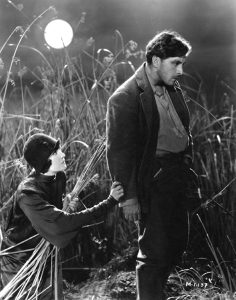
Photo courtesy of San Francisco Film Preserve
SUNRISE: A SONG OF TWO HUMANS

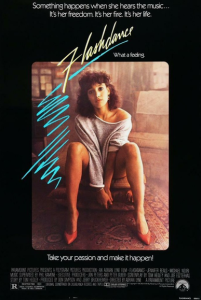
Film courtesy of Paramount Pictures.
FLASHDANCE
Wednesday | 10:00pm | Harris Theatre | First 80 attendees (with badges)
As AMIA gathers in Pittsburgh this year, attendees have a special opportunity to revisit one of the city’s most iconic films. This screening of Flashdance (1983) features a brand-new restoration from the original camera negative and archival film elements, preserving the film’s distinctive visual style while bringing new clarity to the big screen. The screening will also feature a new 5.1 surround sound remix created from the original music masters and soundtrack materials. With music so central to the film’s identity, audiences will experience favorites like “Flashdance… What a Feeling,” “Maniac,” and “Gloria” in a whole new way.Part celebration of Pittsburgh’s cinematic history and part restoration showcase, this special screening is a chance to experience a beloved classic in the city where its story unfolds, and to see how preservation can bring new life to familiar films.

Thursday, September 3
ARCHIVAL SCREENING NIGHT
Thursday | 7:15 pm | Row House – Hollywood
Archival Screening Night showcases the work of the AMIA community: from recent acquisitions and discoveries to exciting preservation projects. It’s a chance to pull back the curtain and see some amazing materials from the archives. Every year brings something different, with new discoveries, unexpected treasures, and stories to share. It’s a highlight of the conference year after year!
BECOMING BENJAMIN LAY
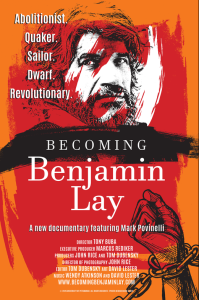
Becoming Benjamin Lay (2026)
Friday | 7:00 pm | Allegheny Room
Becoming Benjamin Lay explores the life of Benjamin Lay, an 18th–century Quaker dwarf, abolitionist, and radical truth–teller whose dramatic acts of protest challenged the moral complacency of his era. Becoming Benjamin Lay brings renewed attention to a figure whose moral clarity and radical activism were centuries ahead of their time. The film paints a vivid portrait of a man who refused to remain silent in the face of injustice. The film features acclaimed actor Mark Povinelli and incorporates scenes from the stage production Return of Benjamin Lay, cowritten by Marcus Rediker and Naomi Wallace, further enriching the film’s dramatic and historical texture. Becoming Benjamin Lay reunites the production team, Marcus Rediker, Tom Dubensky, John Rice and Janice McMannis who worked together on the award-winning film Ghosts of Amistad.
Filmmaker Tony Buba underscores the film’s contemporary resonance, stating: “In a moment when social justice movements continue to challenge entrenched systems of power, Benjamin Lay’s story resonates powerfully.” He reminds us that dissent has always been uncomfortable, and that meaningful change often begins with a single, uncompromising voice.